
NEW RELEASES
Explore our latest products
Sale!
SHOP-New Releases
Original price was: $38.00.$19.00Current price is: $19.00.
Sale!
SHOP-New Releases
Original price was: $60.00.$30.00Current price is: $30.00.
Sale!
SHOP-New Releases
Original price was: $42.00.$21.00Current price is: $21.00.
Sale!
SHOP-New Releases
Original price was: $50.00.$25.00Current price is: $25.00.
Sale!

SHOP-New Releases
Original price was: $38.00.$19.00Current price is: $19.00.
Sale!
SHOP-New Releases
Original price was: $50.00.$25.00Current price is: $25.00.
Sale!
SHOP-New Releases
Original price was: $42.00.$21.00Current price is: $21.00.
Sale!

SHOP-New Releases
Original price was: $42.00.$21.00Current price is: $21.00.
Sale!


SHOP-New Releases
Original price was: $38.00.$19.00Current price is: $19.00.
Sale!
SHOP-New Releases
Original price was: $60.00.$30.00Current price is: $30.00.
Sale!
SHOP-New Releases
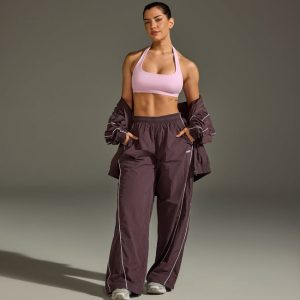
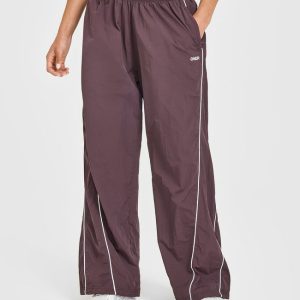
Oversized Piped Woven Straight Leg Track Bottoms Deep Umber Brown
Original price was: $66.00.$33.00Current price is: $33.00.
Sale!


SHOP-New Releases
Original price was: $42.00.$21.00Current price is: $21.00.
BEST SELLERS
Explore our latest products
Sale!
SHOP-Best Sellers
Original price was: $36.00.$18.00Current price is: $18.00.
Sale!
SHOP-Best Sellers
Original price was: $40.00.$20.00Current price is: $20.00.
Sale!


SHOP-Best Sellers
Original price was: $40.00.$20.00Current price is: $20.00.
Sale!


SHOP-Best Sellers
Original price was: $36.00.$18.00Current price is: $18.00.
Sale!
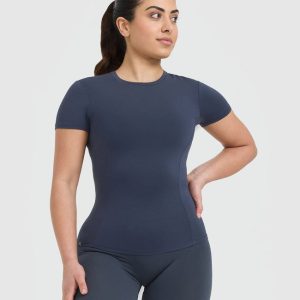
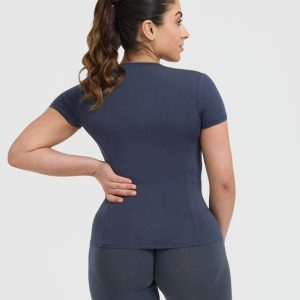
SHOP-Best Sellers
Original price was: $36.00.$18.00Current price is: $18.00.
Sale!
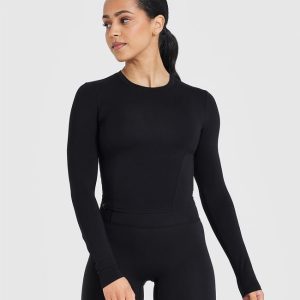
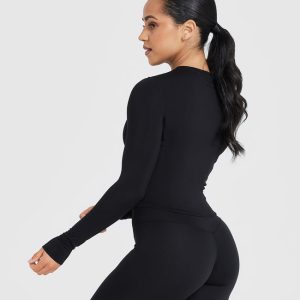
SHOP-Best Sellers
Original price was: $36.00.$18.00Current price is: $18.00.
Sale!


SHOP-Best Sellers
Original price was: $36.00.$18.00Current price is: $18.00.
Sale!
SHOP-Best Sellers
Original price was: $32.00.$16.00Current price is: $16.00.
Sale!


SHOP-Best Sellers
Original price was: $32.00.$16.00Current price is: $16.00.
Sale!
SHOP-Best Sellers
Original price was: $65.00.$32.50Current price is: $32.50.
Sale!
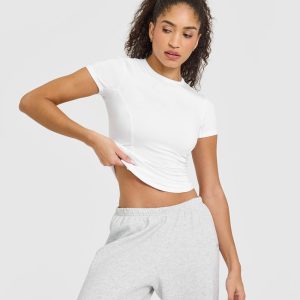

SHOP-Best Sellers
Original price was: $36.00.$18.00Current price is: $18.00.
Sale!
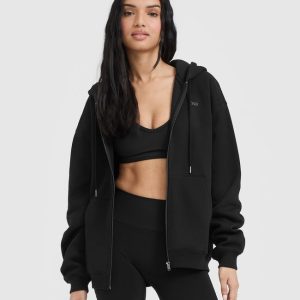
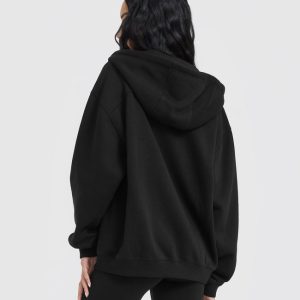
SHOP-Best Sellers
Original price was: $65.00.$32.50Current price is: $32.50.
SHOP BY CATEGORY
Build your look piece by piece
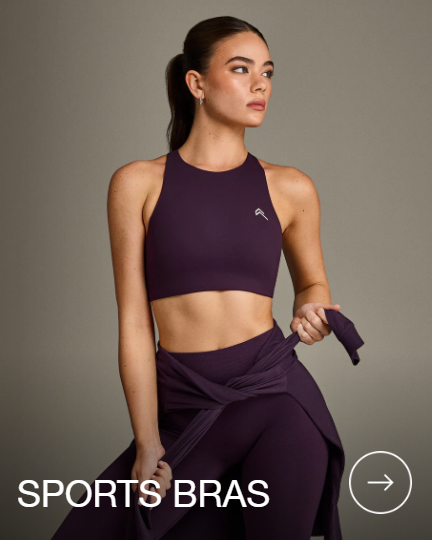
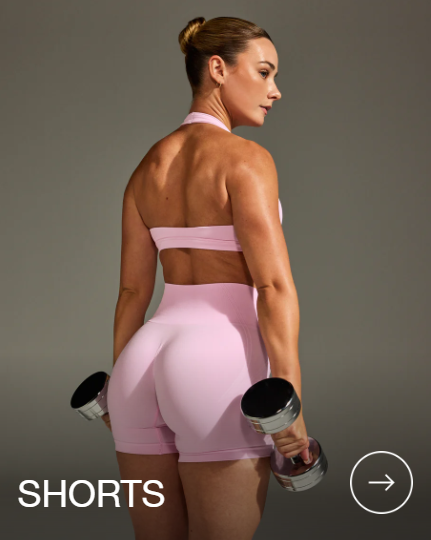
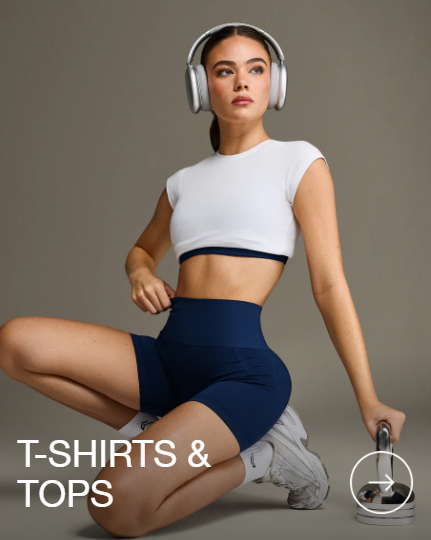
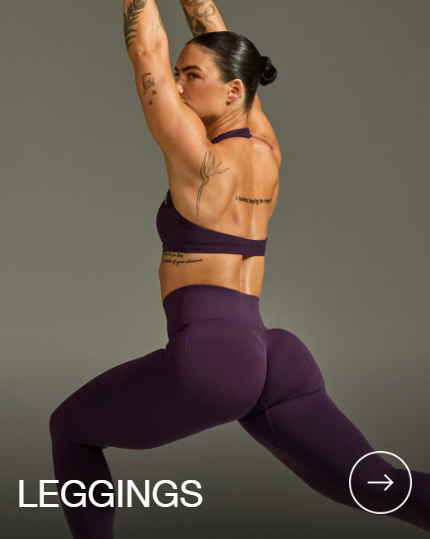
SHOP BY ACTIVITY
Strong styles for every move
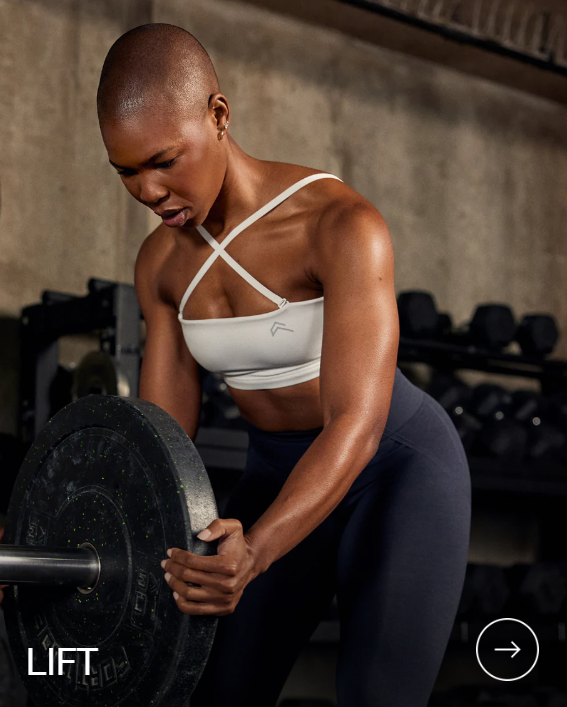
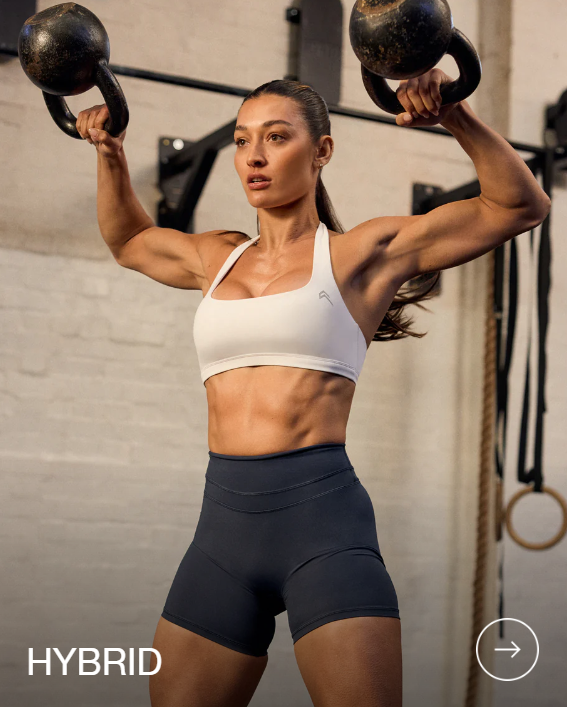
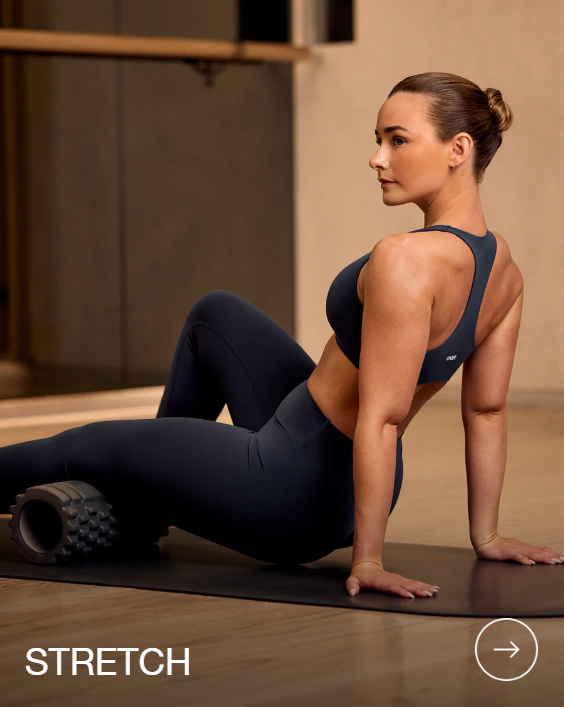
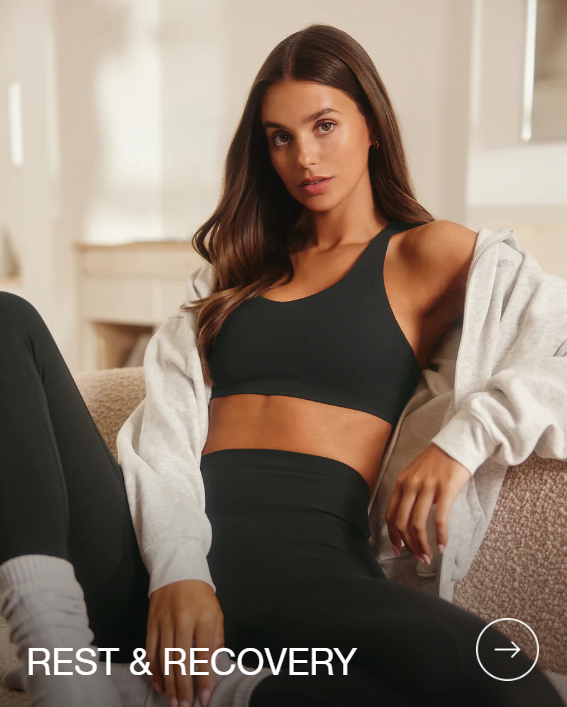
Just For You
Our top recommendations
Sale!
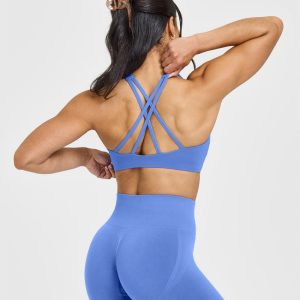
Activities
Original price was: $42.00.$21.00Current price is: $21.00.
Sale!
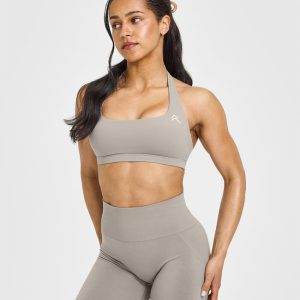
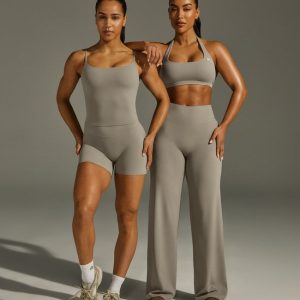
Activities
Original price was: $38.00.$19.00Current price is: $19.00.
Sale!
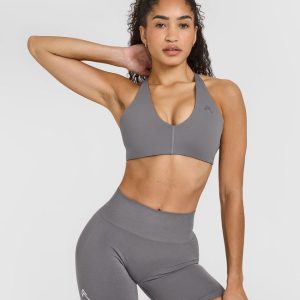
Activities
Original price was: $42.00.$21.00Current price is: $21.00.
Sale!
Activities
Original price was: $48.00.$24.00Current price is: $24.00.
Sale!
Activities
Original price was: $50.00.$25.00Current price is: $25.00.
Sale!


Activities
Original price was: $42.00.$21.00Current price is: $21.00.
Sale!
Activities
Original price was: $60.00.$30.00Current price is: $30.00.
Sale!
Activities
Original price was: $38.00.$19.00Current price is: $19.00.
The Science of Movement: Engineering the Perfect Practice
Yoga is a discipline defined by precision, breath, and a deep connection between the mind and body. While the practice itself dates back thousands of years, the technology behind the clothing we wear today is a modern marvel of textile engineering. Choosing the right attire is not just about aesthetics; it is about finding a “second skin” that supports every inversion, stretch, and flow.
The Anatomy of Performance Fabrics
When we look at high-quality activewear, the primary goal is to manage moisture and temperature. During a vigorous session, the body generates significant heat. Advanced synthetic blends, often incorporating high-performance polymers, are designed to pull sweat away from the skin. This process, known as capillary action, moves moisture to the outer surface of the fabric where it can evaporate quickly. This keeps the practitioner dry and prevents the fabric from becoming heavy and restrictive.
Furthermore, the concept of “four-way stretch” is vital. Standard fabrics might stretch in one or two directions, but yoga requires a material that expands and recovers both horizontally and vertically. This ensures that whether you are in a deep lunging pose or a complex twist, the material moves with you without shearing or becoming transparent.
Compression and Support
A significant evolution in garment design is the strategic use of compression. Modern leggings and tops are engineered with varying degrees of tension. This serves several purposes:
-
Muscle Stabilization: Gentle pressure helps reduce muscle vibration during transitions, which can decrease fatigue.
-
Circulation: Optimized compression can assist in blood flow, helping the body maintain a steady temperature.
-
Proprioception: Tight-fitting, well-designed gear provides sensory feedback, making the practitioner more aware of their body’s alignment in space.
Seams and Ergonomics
One often overlooked detail is the construction of the seams. Traditional raised seams can cause chafing or irritation when pressed against a mat or during repetitive movements. High-end apparel utilizes “flatlock” stitching, where the fabric edges are joined without overlapping. This creates a smooth interior surface that minimizes friction. Additionally, ergonomic paneling—placing seams away from high-movement areas like the inner thighs or underarms—ensures that the garment feels invisible during the most demanding sequences.
Sustainability in Textiles
The future of movement-wear is increasingly green. Many manufacturers are shifting toward recycled materials derived from processed plastic waste or sustainable plant-based fibers like bamboo and organic cotton. These materials are often treated with natural silver ions or other eco-friendly finishes to inhibit the growth of odor-causing bacteria, extending the life of the garment and reducing the frequency of washing.
Choosing the right gear is an investment in your practice. When your clothing functions perfectly, it removes a layer of distraction, allowing you to focus entirely on your breath and your journey on the mat.